

On a calm December evening, I noticed how crowded my house was. Jackets hung on hooks, books sat half-read on the table, and bags lay where shoes should be. The room felt full. My mind felt the same.
This feeling is familiar. In the UK, about 18.8 million households say clutter affects their mental health and ability to focus. A crowded home often shows a bustling mind. When there is no space, it becomes harder to feel calm.
The end of the year slows things down enough for us to observe this. There are fewer plans and quieter evenings, giving us more time to see what piles up around and inside us.
After writing recently about my pre-holiday decluttering, I realised how much clearing even a small area can shift your mindset; and how much more of that feeling I want to carry into the new year.
Our surroundings affect how we feel. Busy rooms demand our attention. Visual clutter adds pressure to already full days. Removing even a few items can decrease stress and restore calm in our daily lives.
At Future Forums, we help you find easy ways to improve well-being through balance, reflection, and intentional living.
As the new year approaches, having space is more important than setting goals. We need space to think, rest, and feel steady. These are the things worth protecting in the year ahead.
Why Making Space Feels Different At Year End
December brings both reflection and celebration. Homes welcome guests, gifts, coats, and hopes. Clutter builds up without notice.
While cleaning for the holidays, I found items that held special meaning. I kept toys out of guilt. I kept documents out of habit. I left furniture in place because I wasn’t sure what to do with it.
Letting go of things was both calming and empowering. This sense of peace stayed with me. The new year deserves consistency, not another reset.
Simple Shifts That Reduce Mental and Physical Clutter
Here are some simple shifts that will reduce mental and physical clutter:
1. Mental Clarity That Feels Lighter
Too many items distract us. Clutter shows us the decisions we have not finished yet. It reminds us of what we still need to do.
By clearing vital spaces, I changed my daily routine. I focused on the hallway table, my bedside table, and the kitchen counter where I start my mornings. With just fewer items around, I have fewer distractions.
When my eyes can relax, I feel clear-headed. The link between our environment and focus suggests a larger change is underway in the UK. In a 2025 survey, 2,000 adults reported that more than one-third felt they could consider more clearly and experienced better well-being after decluttering their physical and digital spaces. This suggests that organised environments help reduce mental strain.
I find peace when my surroundings don’t require my constant attention.
2. Rest Without Guilt
Rest often feels like something we have to earn instead of something we are allowed to do. Even quiet moments can feel tense when rooms seem busy or unfinished.
A calm bedroom helps you sleep better. Keep surfaces clear, use soft lighting, and make sure essentials are easy to reach. This reduces restlessness at night. When your space feels settled, it’s easier to relax and get good rest.
Rest is essential and doesn’t need much explanation. The environment affects sleep quality more than following strict routines. Making space for yourself reduces pressure on both your body and mind.
3. Creativity Has Room To Breathe
Crowded spaces can hinder creative thinking. Too many things to look at can distract us and reduce our focus.
A small area can actually boost creativity. Sometimes, just one chair, a light, and a shelf with only what we need is enough.
That corner provided independence. It made slow reading, writing, and thinking possible again. Creativity flourishes when it has space and time, not pressure.
4. Connection Comes Easier At Home
When a space feels crowded, distractions make it hard to have good conversations. Clutter pulls our attention, and we start thinking about unfinished tasks. This makes being present more difficult.
Clearing shared areas can improve how we connect. A clear table encourages longer chats. A calm living room makes people want to sit and talk rather than scroll on their phones. When rooms aren’t messy, it’s easier for people to focus on each other.
Connection doesn’t need to be perfect. It requires openness. A welcoming space allows moments to happen naturally, without distractions from visual clutter.
5. Small Physical Shifts That Change Everything
Changing a space doesn’t always need a complete makeover. Small choices can make a big impact.
Begin by updating areas that you usually overlook. Let go of decorations that you keep out of obligation. Look at your storage to keep surfaces clear instead of cluttered.
Holding onto items you no longer use can feel heavy. Letting them go can free up mental space and bring a sense of completion.
6. Looking Beyond The Main Rooms
Many people want quiet spaces away from their main living areas. Outdoor areas help them escape everyday noise and routines.
Having a dedicated outdoor space improves focus and balance. Taking time away from shared indoor areas creates mental space, even if you don’t leave home.
Garden rooms and small outdoor workspaces are becoming popular as people seek breathing room in daily life, especially when indoor space feels limited.
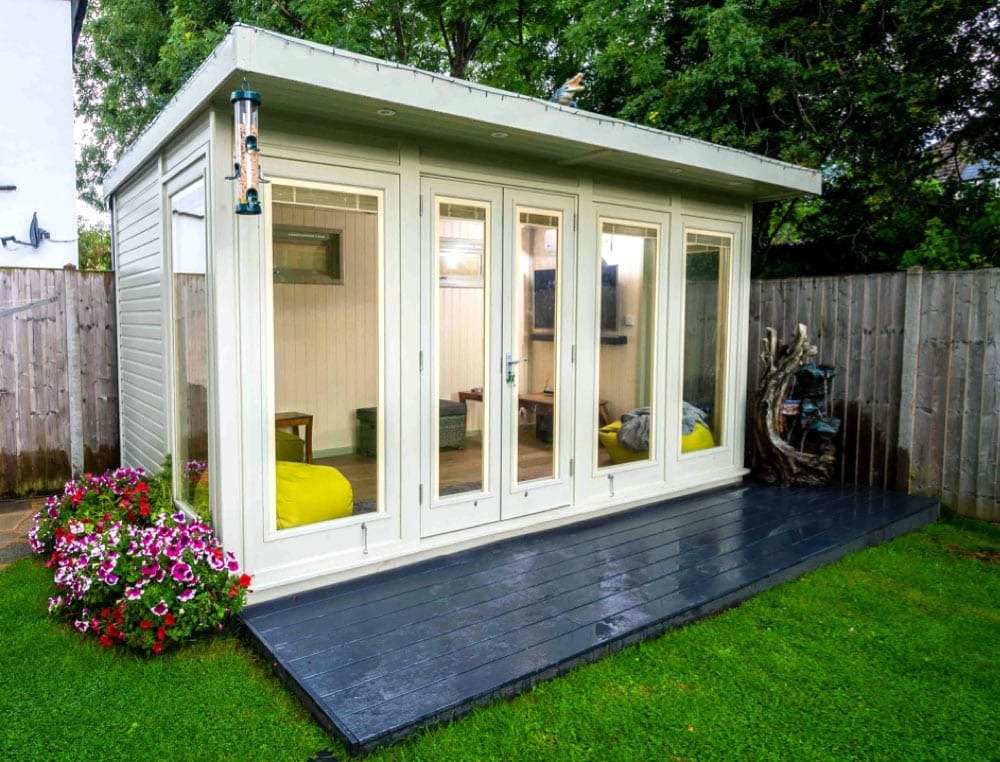
Image source: surreyhillsgardenbuildings.co.uk
Outdoor areas are becoming essential for mental health. Custom garden rooms from the Surrey Hills Garden Buildings, experts in designing desirable garden buildings. They help create peaceful spaces without the need to move homes.
7. Calm Worth Carrying Forward
The places we spend time in affect our feelings more than we realise. The environments we move through each day shape our mood, patience, and clarity.
The best way to declutter before the holidays is to do it regularly, not just during big clean-ups. Focusing on our spaces can help them feel less overwhelmed.
Our surroundings reflect what we value. Keeping items that help us daily and letting go of things that complicate life helps maintain clarity year-round.
Conclusion
Creating space is a kind act. It shows kindness to your mind, time, and energy. What you see around you affects how your day goes and how your thoughts settle.
The aim is not to have nothing. The objective is to have space. Space to rest without feeling guilty. Space to connect without feeling rushed. Space to consider without noise competing for your attention.
The year ahead doesn’t need more plans or stress. It needs breathing room. Room for clear thoughts. Room for calm. Room for what really matters.

